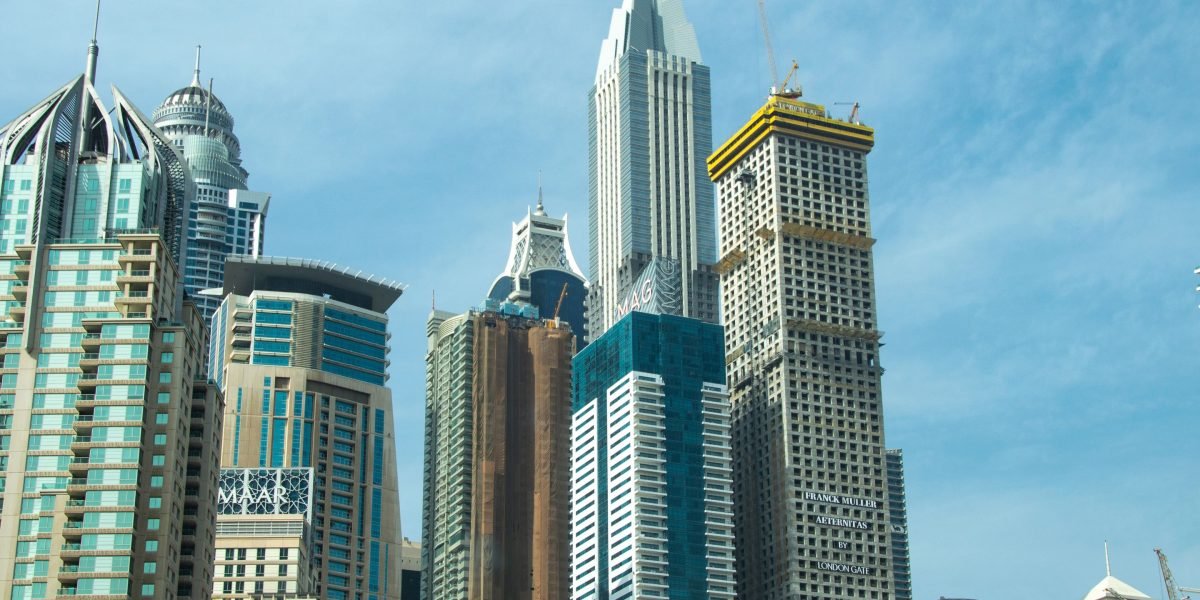
Introduction: Your Gateway to Palm Jumeirah Luxury Living
Picture yourself on a private beach, the gentle waves of the Arabian Gulf lapping at your feet. The iconic silhouette of the Atlantis resort frames the skyline behind you.
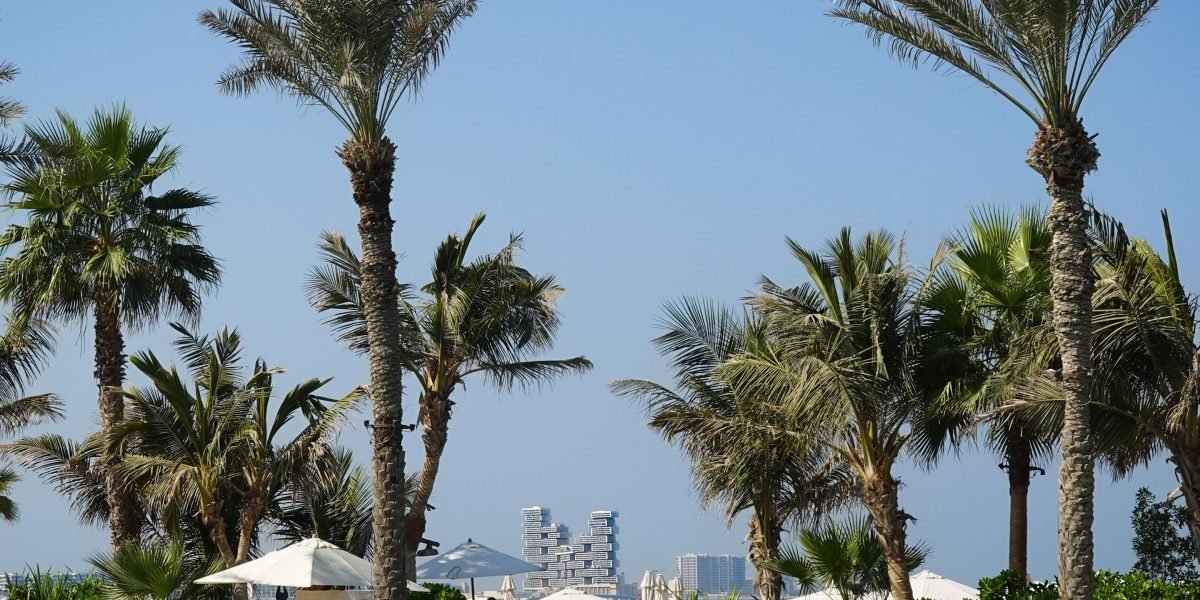
This isn’t a dream. It’s everyday life on Palm Jumeirah, Dubai’s world-famous man-made island and the ultimate address for luxury living.
In 2026, the Dubai real estate market is stronger than ever. The city recorded a total of 214,912 sales transactions worth AED 682.5 billion, marking a nearly 19% increase in volume compared to 2024 according to the Dubai Real Estate Trends 2026 report. Global high-net-worth individuals are flocking here, drawn by zero income tax, streamlined property laws, and the highly sought-after UAE Golden Visa.
Why Palm Jumeirah? This iconic island offers something rare: exclusive beachfront villas and apartments with direct sea access, world-class dining at The Pointe, and unbeatable waterfront views. The Dubai real estate index shows villa prices on the Palm have surged, with properties appreciating at double-digit rates year after year. Whether you are looking for a primary residence, a holiday home, or a property in Dubai to generate rental income, Palm Jumeirah remains the crown jewel of Dubai international real estate investments.
But buying here isn’t simple. The market moves fast, regulations can be tricky, and making a wrong choice costs a lot. That’s why we created this guide. We’ll walk you through current market trends, the legal steps to buy, and insider tips that save you time and money. You will learn how to sell property in Dubai if needed, and how to compare off-plan versus ready homes.
To start your journey, check out our detailed Palm Jumeirah real estate guide 2026 with prices trends and buying tips for deeper insights into current listings and pricing.
If you are ready to take the next step, connect with a local expert who knows Palm Jumeirah inside out. A free consultation can make all the difference in finding your dream home.
FREE Dubai Real Estate Consultation — Buying, selling, renting, or investing in Dubai? Connect with Ayaz Salman for a free consultation today.
Welcome to your new life on the Palm. Let’s get started.
The Allure of Palm Jumeirah: Why It’s a Premier Investment Destination
So you know the Palm is iconic. But what makes it a top choice for investors in 2026? The answer comes down to three big factors: scarcity, price growth, and a lifestyle that no other place can match.
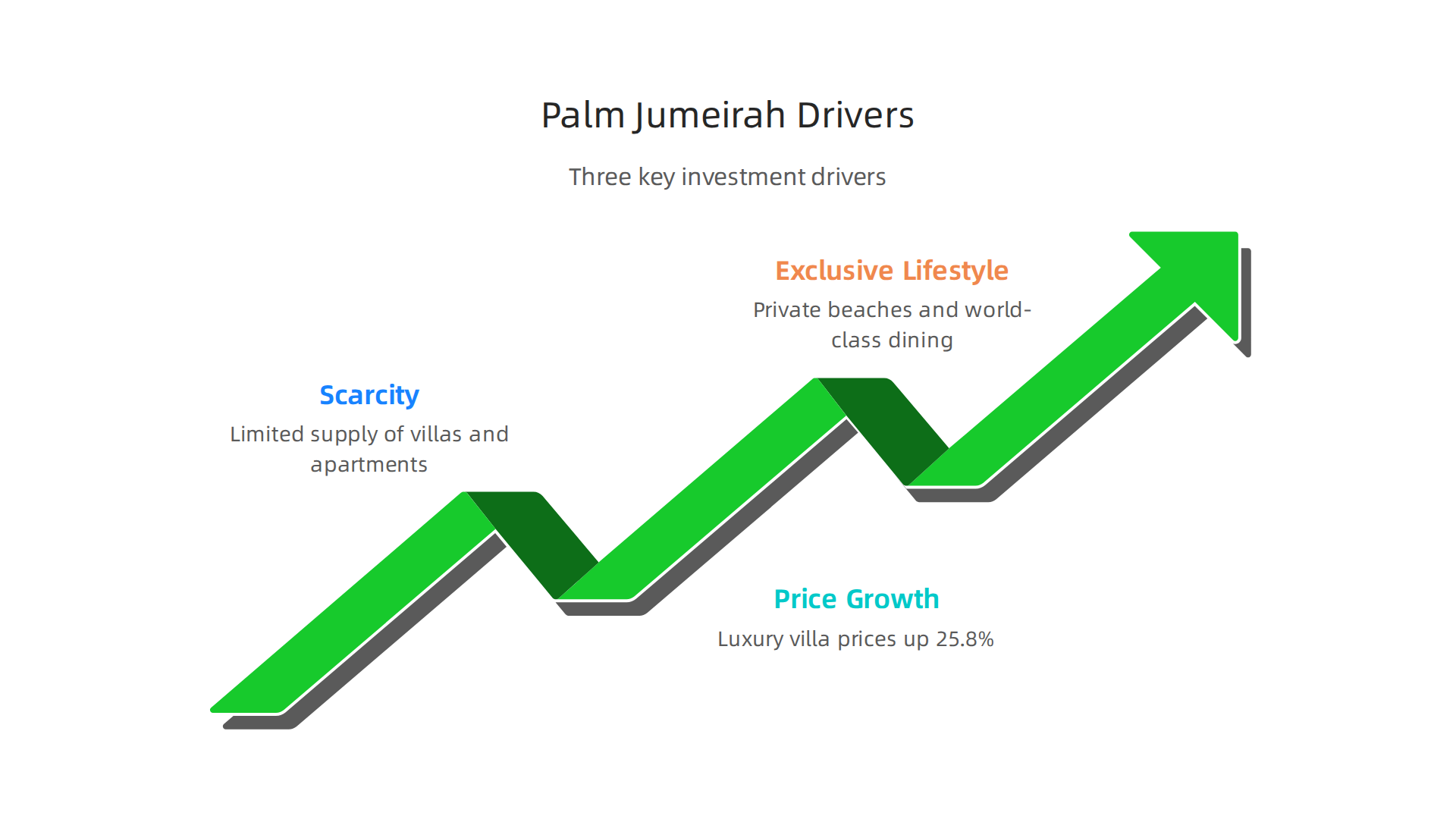
First, think about uniqueness. Palm Jumeirah is the world’s largest man-made island. It’s shaped like a palm tree and visible from space. That alone makes it rare. Add in landmarks like Atlantis The Palm, The Pointe with its fountain show, and miles of private beaches. You simply cannot build another Palm Jumeirah. The limited supply of villas and apartments means demand stays high year after year.
Now let’s talk numbers. The numbers tell a clear story. According to the latest Palm Jumeirah market report 2024, luxury villa prices on the island jumped 25.8% year over year.
The average price for a villa hit AED 45.18 million. The price per square foot rose 13.4%. That solidifies Palm Jumeirah as Dubai’s most valuable real estate location. In 2024, a Signature Villa on Frond J sold for AED 216 million. That was the highest sale all year.
Apartment values are also climbing. Data from April 2026 Dubai real estate analysis shows that Palm Jumeirah apartments saw a 15% price increase compared to the same time last year. So whether you prefer a villa with a private pool or a high-end apartment with sea views, your investment is likely to grow.
Palm Jumeirah dominates the ultra-luxury segment. It recorded 127 luxury transactions in 2024 worth AED 8.44 billion. That’s far more than other premium areas like Emirates Hills or Jumeirah Bay Island. Investors love the consistent returns and the feeling of owning something truly special.
What about the day-to-day experience? The Palm is master-planned. That means everything from security to landscaping is top notch. You get 24/7 security, private beaches, world-class dining, and easy access to Dubai’s main attractions. The Fronds offer quiet, gated communities with lush gardens. This combination of safety and luxury keeps wealthy buyers coming back.
If you want to dive deeper into current listings and pricing, check out our Palm Jumeirah villas 2026 prices and trends guide. It breaks down the latest asking prices and what to expect in terms of rental income.
In short, Palm Jumeirah is not just a pretty place. It’s a proven wealth builder. The mix of limited supply, strong price appreciation, and exclusive lifestyle makes it a premier destination for anyone looking to invest in a true estate asset in Dubai.
Navigating the Dubai Real Estate Market: Ownership Laws and Regulations for Foreign Investors
So you are ready to buy into Palm Jumeirah. But before you sign anything, you need to understand how property ownership works for non-UAE nationals in Dubai. The rules are actually simpler than most people expect. And they are designed to welcome global investors.
Freehold Areas: Where Foreigners Can Own
Dubai divides land into two types. Freehold areas allow foreign buyers to own both the property and the land underneath it with full ownership rights. Non-freehold areas are reserved for UAE and GCC nationals. Palm Jumeirah falls squarely in the freehold category. That means as a foreigner, you get a title deed registered under your name at the Dubai Land Department (DLD). You can sell, rent, or leave the property to your heirs without needing special permission.
Other popular freehold zones include Downtown Dubai, Dubai Marina, and Dubai Hills Estate. In early 2025, the government expanded freehold eligibility to parts of Sheikh Zayed Road and Al Jaddaf. This opened up new opportunities for buyers looking at Sheikh Zayed Road as a new freehold area for investors. The trend is clear. Dubai keeps opening its doors wider for international buyers.
Residency Visas Through Property Ownership
Buying Dubai international real estate can also unlock long-term residency. If you invest AED 750,000 or more in a freehold property, you can apply for a renewable 2-year investor visa. This allows you to live in Dubai with your family while you own the asset.
But the bigger prize is the 10-year Golden Visa. You become eligible when your property investment hits AED 2 million or more. The benefits of Dubai’s freehold zones for foreign buyers include this path to long-term residency. Many global investors see the Golden Visa as a major reason to buy in 2026. It gives you stability, security, and the freedom to live in one of the world’s most dynamic cities.
The Legal Steps You Need to Take
The buying process follows a clear checklist. First, you sign a Memorandum of Understanding (MoU) with the seller. This document lays out the price, payment terms, and handover date. Next, you get a No Objection Certificate (NOC) from the developer. This proves there are no outstanding fees on the property.
Then comes the transfer at the DLD office. The DLD charges a 4% fee based on the purchase price. This is the biggest upfront cost after the down payment. You also pay a small registration fee for the title deed. If you are buying off-plan, meaning a property still under construction, your payments go into a regulated escrow account. That account protects your money until the developer delivers the project.
You can find a complete walkthrough of every step in this guide to buying property in Dubai for foreigners. It covers documents, fees, and timelines so nothing surprises you.
The Dubai Real Estate Index and Tracking Value
One helpful tool for any buyer is the Dubai real estate index. It tracks price changes across different neighborhoods and property types. You can use it to compare Palm Jumeirah against other freehold areas. The index helps you spot trends and make smarter timing decisions. If you plan to sell property in Dubai later, the index can also guide you on when the market is strongest.
Ready to Move Forward?
The rules are straightforward. The benefits are real. And the market is open to investors like you. If you want personalized guidance on ownership laws, visa options, or finding the right property, connect with someone who knows the local landscape inside out.
Feel free to claim your FREE Dubai Real Estate Consultation. Whether you are buying, selling, renting, or investing in Dubai, having an expert on your side makes all the difference.
Key Factors Influencing Property Values in Palm Jumeirah
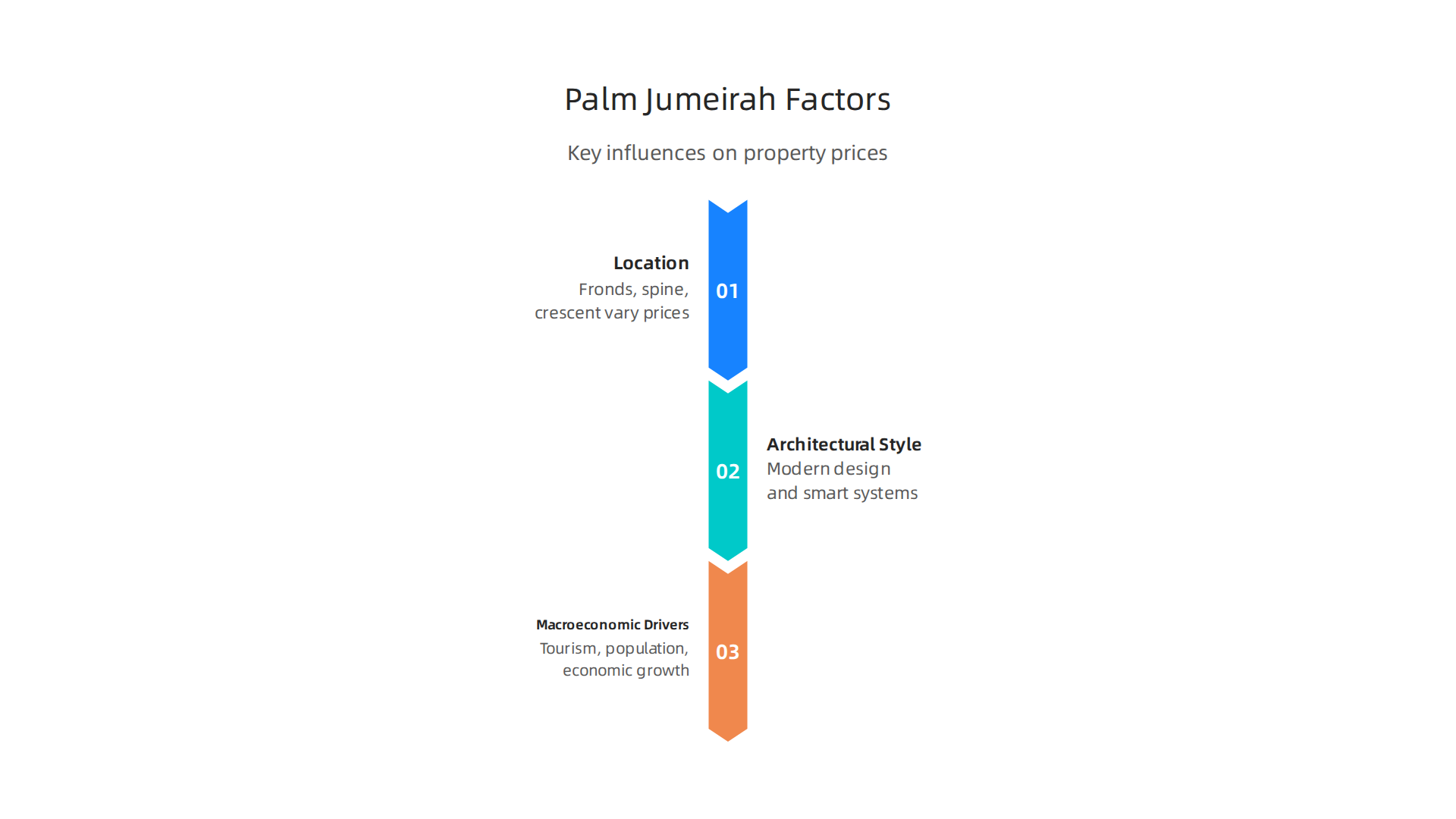
When you start looking at properties on Palm Jumeirah, you notice prices vary wildly. One villa might cost AED 20 million while another just down the road goes for AED 80 million. Why? The answer comes down to three big factors.
Location Within the Island
Your exact spot on the island changes everything. Palm Jumeirah has three main areas: the fronds, the spine, and the crescent. Each one offers a different experience and price tag.
The fronds are the leaf-shaped strips of land that branch off the trunk. Villas here sit right on the water with private beach access. These properties offer total privacy. The price per square foot for villas on the fronds can reach between AED 5,000 and AED 10,000 or more. Fully renovated villas now trade above AED 10,000 per square foot. The reason is simple scarcity. No more fronds can be built. Once a villa sells, that spot is gone forever. This limited supply pushes values higher every year.
The spine runs down the center of the trunk. It is more commercial with shops, restaurants, and apartment buildings. Properties here are more affordable but still luxury. The crescent is the outer ring that protects the island. It has resorts and branded residences. Apartments on the crescent offer stunning sea views and often come with hotel services. These tend to have stronger rental yields because tourists love staying there.
A detailed breakdown of these areas is available in a dedicated guide to Palm Jumeirah villas 2026 prices and market trends.
Architectural Style, Size, and Build Quality
Not all properties are built the same. A custom signature villa with top finishes sells for much more than a standard villa from the 2000s. Many investors now buy older villas, tear them down, and rebuild from scratch. This "villa flipping" strategy has become very profitable.
Size also matters. Bigger plots on the fronds with longer waterfront footage command a premium. Build quality and modern design add value too. Buyers in 2026 expect smart home systems, eco-friendly materials, and open layouts. If a property has those features, it will sell faster and for a higher price.
Macroeconomic Drivers
Beyond the island itself, bigger forces shape value. Dubai’s tourism keeps growing. More visitors means more demand for short-term rentals on Palm Jumeirah. The Expo City legacy continues to attract global businesses and talent. And the population of Dubai is rising fast, which pushes up demand for housing everywhere.
As of early 2026, the top three neighborhoods in Dubai with the fastest price growth are Dubai Hills Estate, DIFC, and Palm Jumeirah. Prices in Palm Jumeirah have been rising by 12% to 18% per year, with waterfront villas at the higher end. Looking ahead, analysts expect 3% to 6% annual appreciation for 2026, with villas potentially gaining 6% to 10%. These trends make the island a reliable store of value.
The island’s absolute physical scarcity keeps prices strong. A recent investment guide explains that with no room to expand, every property becomes a trophy asset. Buyers from around the world compete for a fixed number of homes. That competition drives values up year after year.
If you want to track these factors yourself, check the Dubai real estate index. It shows price changes across neighborhoods and helps you compare Palm Jumeirah against other prime areas like Emirates Hills or Dubai Marina. The index also helps when you plan to sell property in Dubai, so you can time the market right.
Understanding these three factors will help you make a smarter buying decision. Location, quality, and macro trends all work together to decide what a property is really worth.
The Buying Process: Step-by-Step from Search to Handover
You now know what makes Palm Jumeirah properties valuable. But knowing the value is one thing. Actually buying the place is another. If you have never bought property in Dubai before, the steps can feel overwhelming. The good news? The process is straightforward once you understand each stage. Here is how it works in 2026.
Step 1: Search and Due Diligence
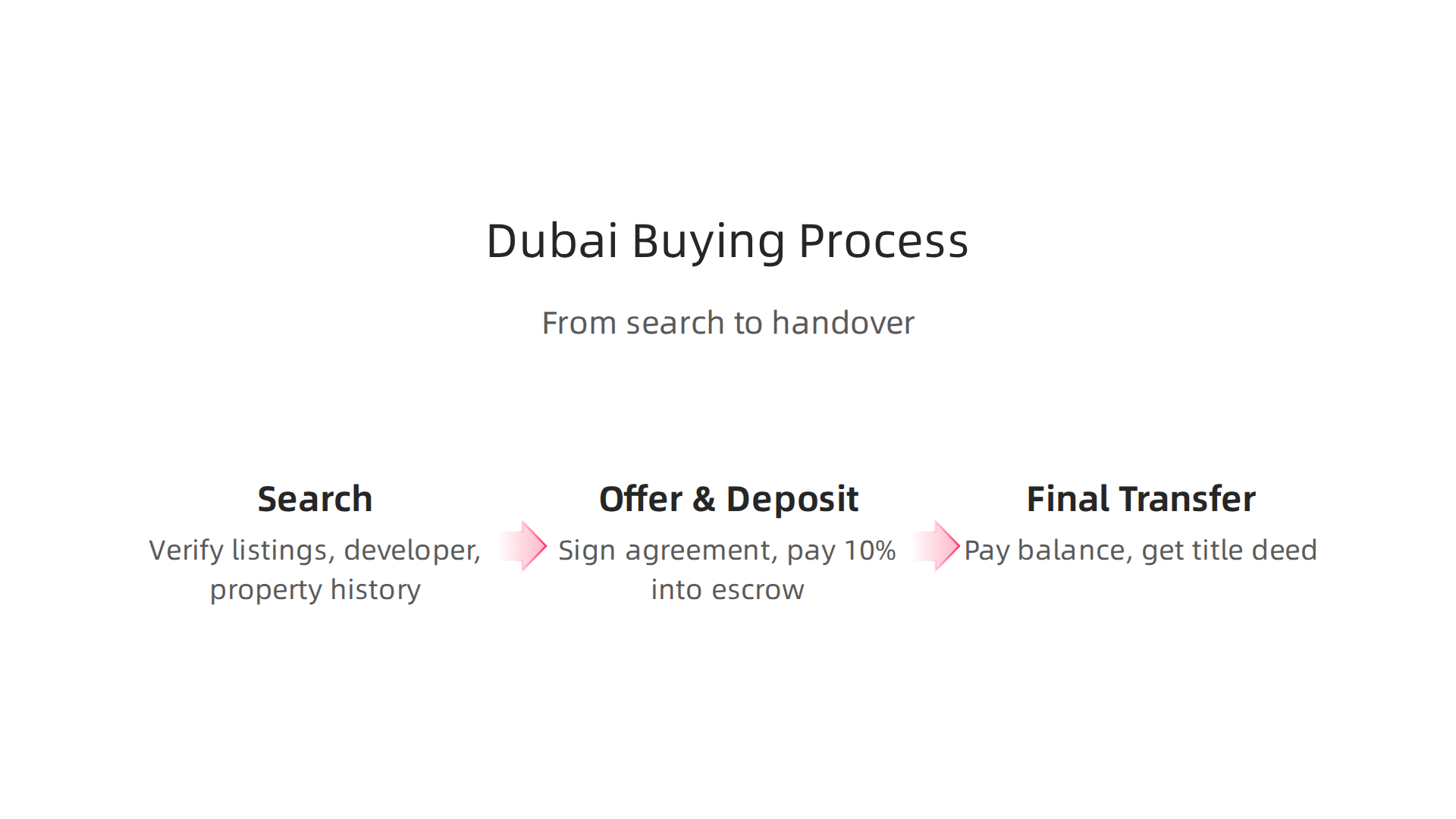
Your journey starts with listings. But not every listing is reliable. You must verify each property carefully. Check the developer’s reputation. Confirm the property sits in a freehold zone. Palm Jumeirah is a designated freehold area. That means you can own it fully as a foreign buyer with no time limits.
You also need to dig into the property’s history. Ask for the original title deed. Make sure there are no unpaid service charges. Request a No Objection Certificate (NOC) from the developer. The NOC proves the seller has cleared all dues. Without it, the transfer cannot happen.
A full step-by-step guide to buying property in Dubai covers every document and deadline you will face. It walks you through the entire journey from your first search to receiving the keys.
Step 2: Making an Offer, MoU, and Deposit
Found the right villa or apartment? Great. Now you make an offer. If the seller agrees, you both sign a Memorandum of Understanding (MoU). This is also called Form F. It spells out the price, payment terms, and handover date.
At this point you pay a deposit. The standard amount is 10 percent of the purchase price. That money goes into an escrow account. It shows the seller you are serious. It also protects you if the seller backs out for no good reason.
Step 3: Final Contract, Transfer, and Utilities
With the MoU signed and deposit paid, you move to the final stage. The seller applies for the NOC if they have not done so already. Once it is ready, both parties visit a Dubai Land Department (DLD) trustee office.
At the trustee office, you pay the remaining balance. You also pay the DLD transfer fee. That fee is 4 percent of the purchase price. The DLD then issues a new title deed in your name. The property is officially yours.
After that, you set up your utility accounts with DEWA. You register for district cooling if the building uses it. Then you collect the keys. The whole process for a ready property takes about 30 to 60 days. Cash buyers can finish in as little as two weeks.
The process might sound like a lot. But each step exists to protect you. With the right guidance, moving through the Dubai international real estate market is smooth and safe.
If you want expert help navigating these steps, connect with Ayaz Salman for a free consultation. He can guide you through listings, offers, and the final transfer so nothing slips through the cracks.
How to Avoid Common Pitfalls and Verify Property Details
You now know the buying process step by step. But here is something many buyers only learn the hard way. Not every listing you see is accurate. Some are inflated. Others contain outdated price data. And a few might hide real problems with the property itself. Let me walk you through the three biggest traps and how to avoid each one.
Watch Out for Inflated Listings and Old Price Data
The Dubai real estate market moves fast. A villa listed at AED 25 million today might have been worth AED 18 million just six months ago. Some agents leave old prices up to attract calls. Others list properties they do not even have access to.
Your job is to cross-check everything. Use official sources like the Dubai Land Department and the Dubai real estate index. Compare prices across multiple platforms. Look at recent sale records for similar villas on the same frond. One thing that helps is reading a detailed Palm Jumeirah Investment Guide that shows real price benchmarks. On Palm Jumeirah, non-renovated villas trade between AED 5,000 and AED 7,000 per square foot, while fully renovated villas go above AED 10,000 per square foot. If a listing falls far outside these ranges, question it.
Also be careful with properties advertised as off-plan on the Palm. Most of Palm Jumeirah is secondary market. No new villas are being built. If someone promises you a brand-new villa direct from the developer, verify the project exists and is registered with RERA first.
Work Only with a RERA-Registered Agent and Lawyer
This is the single most important step you can take. In Dubai, all real estate agents must be registered with the Real Estate Regulatory Authority (RERA). A RERA registered agent has passed exams, follows a code of conduct, and can be held accountable if something goes wrong.
Why does this matter? Because an unregistered agent might not know the rules. They might not check the NOC properly. They might push you into a bad deal just to earn their fee.
The same goes for your lawyer. A lawyer who understands Dubai property law can review the MoU, confirm the title deed is clean, and spot hidden clauses. A guide on how to buy property in Dubai for foreigners explains exactly why legal help matters, especially for first-time buyers.
You can check any agent credentials on the RERA website or the Dubai REST app. Do not skip this step. A few minutes of verification can save you from months of stress.
Always Inspect the Property and Use Third-Party Surveys
Photos can lie. Even video tours can hide cracks, plumbing issues, or structural problems. That is why you must visit the property in person. Walk through every room. Check the windows, doors, and electrical outlets. Look for water stains on the ceiling or musty smells in the kitchen.
If you cannot visit in person, hire someone you trust to go for you. A friend, a family member, or a professional inspector.
Better yet, hire a third-party surveyor. They will check the property for hidden defects. Things like foundation cracks, outdated wiring, or shared boundary disputes. The cost of a survey is small compared to the risk of buying a villa with serious problems.
You should also get a complete property history. Ask the seller for service charge receipts from the last two years. Confirm there are no outstanding maintenance fees. Request a clear NOC from the developer. A complete Palm Jumeirah property guide walks through each document you need to collect before signing anything.
One more tip. If you plan to sell property in Dubai later, the condition of your villa now will affect your resale value. A thorough inspection today protects your future exit.
Get Expert Help So You Do Not Go It Alone
Avoiding these pitfalls takes time and local know-how. If you want someone to handle the verification, inspections, and contract review for you, it makes sense to work with a trusted professional.

Here is how to get started today. Buying, selling, renting, or investing in Dubai? Connect with Ayaz Salman for a FREE Dubai Real Estate Consultation. He can connect you with a RERA registered agent and help you verify every detail before you commit. No pressure. Just honest guidance.
Summary
This guide explains why Palm Jumeirah remains Dubai’s premier luxury address in 2026, combining scarcity, strong price growth, and an unmatched beachfront lifestyle. It reviews recent market performance and price trends for villas and apartments, and explains ownership rules for foreign buyers, including freehold rights and property-linked visas. The article walks you through the buying process from search and MoU to DLD transfer and utilities, and lists typical costs like the 4% DLD fee and a 10% deposit. It also highlights the key factors that influence value—location on the island, build quality, and broader macro trends—and gives practical tips to avoid inflated listings, work only with RERA-registered agents, and use third-party surveys. Read this to learn how to evaluate listings, complete a secure purchase, and protect resale value so you can confidently invest or buy your dream home on the Palm.